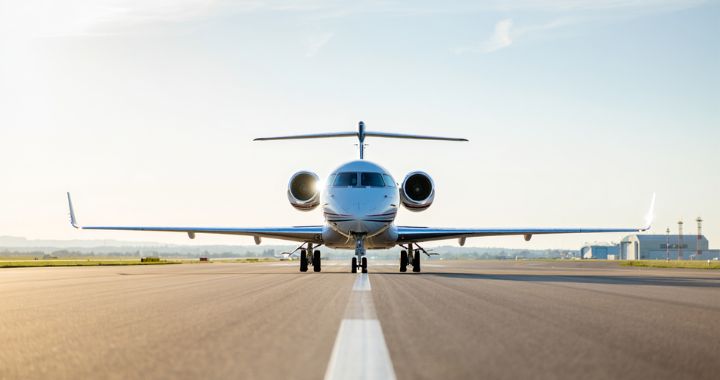
Air travel has a strong safety record, and statistically, it’s still one of the safest ways to get around. Even so, it’s fairly common for travelers to wonder which aircraft models are considered the safest. However, when discussing the safest private jet models, it’s important to consider logistics.
The aircraft have to meet strict certification standards before they ever enter service. Operators also follow detailed maintenance schedules, and pilots complete extensive training to ensure they’re wholly prepared while flying. Technology plays a big role as well. Most modern business jets feature advanced avionics that help pilots monitor aircraft, remain aware of surrounding traffic, and navigate accurately.
Many systems also include backups, ensuring that if one fails, the secondary system can take over. All of these pieces working together are what help private aviation maintain such a strong safety reputation. In this guide, we’ll look at some of the safest private jets flying today, along with the features and standards that help maintain operational efficiency. Let’s first address a key component of a truly relaxing, unparalleled travel experience: quality rest. Jetbed is designed to support the comfort of all on a private jet, ensuring quality in-flight sleep. Proudly made in the USA, Jetbed offers exceptional craftsmanship and quality, focusing on reliability and performance. Sleep should feel as luxurious as the private jet itself, and with Jetbed, it can.

Safest Private Jets: Aircraft With the Best Safety Technology
For many travelers, safety ranks alongside speed, comfort, and convenience when choosing how to fly. It’s fairly common for passengers to research aircraft models before booking a flight, particularly when selecting a charter provider or corporate aviation service. Still, identifying the safest private jet is not as simple as choosing a specific aircraft type.
Aircraft design is only one component of aviation safety. In private aviation, the operator, pilot experience, and maintenance program often have an even greater influence on overall safety. A modern jet may include sophisticated systems and protective design features, but safe operations still depend on skilled crews and strong operational oversight.
For that reason, two identical aircraft can have very different safety profiles depending on how they are operated and maintained. Responsible operators invest heavily in pilot training, strict maintenance schedules, and detailed operational procedures to maintain high safety standards.
Modern business jets certainly contribute to this environment. Many feature advanced flight-deck systems, redundant safety components, and technologies designed to enhance pilot awareness and navigation accuracy. When combined with experienced crews and well-managed operations, they provide a strong margin of safety for those on board.
For additional information, visit our guide, “How Safe Are Private Jets?”
Are Private Jets Safe?
Private jets are part of the wider aviation industry, so they operate under strict safety rules. Agencies like the Federal Aviation Administration and the European Union Aviation Safety Agency set standards for pilot licensing, aircraft certification, and operational procedures. Operators must follow detailed inspection schedules and maintenance programs to keep flights safe.
Pilots also rely on advanced avionics that give them a clear picture of the aircraft, nearby traffic, and weather conditions. These systems make a big difference, especially on longer flights or in complex airspace.
Additionally, cockpit technology has improved a lot over the years. Some jets now include synthetic vision displays, enhanced vision systems, and head-up displays (HUD). These show critical flight information directly in the pilot’s line of sight. While seemingly minor, it ensures pilots remain focused and react quickly when needed.
Maintenance is just as important as technology. Aircraft undergo regular inspections, routine servicing, and component replacement. Moreover, pilots and operators check everything thoroughly before every flight. Following these routines ensures that the plane stays in top condition and continues to operate safely. When all these factors come together, private aviation has an excellent safety record. And when you compare it to most forms of ground transportation, flying remains far safer, especially over long distances.
Weather can still affect flights, of course. But modern jets have radar and navigation tools that help pilots avoid severe conditions. Additionally, pilots train specifically to handle challenging weather. If you want a closer look at how they do this, the article “Can Planes Fly in Thunderstorms?” explains the procedures and technology that help keep flights safe.
Private Jet Safety Statistics
Several statistics highlight the strong safety performance of modern private aviation:
- Aircraft equipped with fly-by-wire or digital control systems reduce pilot workload and enhance flight stability.
- The accident rate for private aviation has declined by more than 50% over the past decade, thanks to improved technology, better pilot training, and stronger regulatory oversight.
- Professionally operated business jets maintain extremely low accident rates compared with general aviation aircraft.
- The global safety rate for private jets is estimated at 99.7% to 99.9% of flights completed without incident.
- Modern cockpit technologies improve pilot decision-making and flight monitoring.
- Advanced avionics such as Garmin G5000 Avionics improve navigation precision and pilot situational awareness.
- The fatal accident rate for private jets is approximately 0.3 accidents per 100,000 flight hours, according to aviation safety data.
- Modern private jets include multiple redundant systems that allow continued operation, even if one component fails.
These improvements demonstrate how aviation safety continues to evolve through technology and operational expertise.

Safety Standards for Chartering Private Jets
When selecting a charter flight, understanding the safety frameworks behind an operator can provide valuable peace of mind.
Third-Party Safety Audits
Independent audits verify that pilots are properly trained, that maintenance is performed on time, and that operations run smoothly. While seemingly obvious, this extra layer of oversight makes a significant difference in overall safety.
As a result, travelers can feel more confident when booking with operators that maintain these certifications.
FAA and EASA Regulations
Agencies like the Federal Aviation Administration and the European Union Aviation Safety Agency set strict rules for inspections, maintenance, and pilot certification. Aircraft must undergo scheduled checks, and pilots must maintain updated training standards. These rules make sure both the plane and the crew meet consistent safety standards.
Two-Pilot Crews and Safety Management Systems
Many operators fly with two pilots, both for workload management and safety redundancy. On top of that, Safety Management Systems (SMS) help identify risks and improve procedures across the operation. These systems, combined with experienced crews, help maintain high safety standards.
Private Jet Safety Protocols
Several operational procedures contribute to the high safety levels of modern private aviation flights:
- Clear operational communication between flight crews and ground teams
- Extensive pilot experience and ongoing training
- Continuous monitoring of weather conditions
- Strict maintenance cycles and inspections
- Redundant safety systems for critical flight functions
- Advanced avionics systems and digital flight monitoring
Together, these protocols create multiple advanced layers of safety designed to prevent operational issues before they arise.

What Are the Safest Private Planes?
While operational practices remain the most important safety factor, several aircraft models are widely recognized for their strong performance records and advanced designs. These include:
Bombardier Global 7500
The Bombardier Global 7500 is one of the most capable ultra-long-range business jets in the world. Designed for intercontinental travel, the aircraft combines exceptional range with cutting-edge aviation technology that prioritizes safety and operational efficiency. Inside the cockpit, the aircraft features a highly modern flight deck with large digital displays and integrated avionics.
These systems provide pilots with real-time data on navigation, weather, and aircraft performance. Clear information presentation improves pilot situational awareness and allows crews to make more informed decisions throughout the flight. The Global 7500 also incorporates multiple redundant systems that monitor aircraft performance and alert pilots to potential issues.
If any system begins operating outside normal parameters, alerts appear immediately so the crew can respond quickly. Because of its advanced design and strong safety record, many consider the Global 7500 one of the safest private jets available for long-distance travel.
See our selection of Bombardier-compatible JetBeds here.
Cessna Citation Series
The Cessna Citation Series has built one of the strongest reputations in private aviation. With decades of service and thousands of aircraft delivered, Citation jets are widely known for their reliability and consistent safety record. A major reason for this reputation is their stable and predictable handling characteristics.
Citation aircraft are forgiving and easy to manage, helping pilots maintain better control during demanding phases of flights. Additionally, modern Citation models incorporate advanced cockpit technology, including Garmin G5000 avionics. This system integrates navigation, weather data, and aircraft monitoring systems into a clear digital interface.
This technology improves pilot situational awareness and simplifies flight management. Some aircraft also include head-up display HUD systems that project key flight data directly into the pilot’s line of sight. These features allow crews to maintain awareness of both cockpit information and the external environment, reinforcing the Citation family’s long-standing place among the safest private jets in business aviation.
See our selection of Cessna-compatible JetBeds here.
Dassault Falcon 8X
Many consider the Dassault Falcon 8X one of the most advanced long-range business jets in modern operation. Built with a strong focus on performance and reliability, the aircraft incorporates Dassault’s sophisticated digital flight control system. As a result, this helps maintain stability and precise aircraft handling across a wide range of flight conditions.
A key safety advantage is its fly-by-wire technology. Instead of relying solely on mechanical linkages, pilot inputs are transmitted electronically to the control surfaces. This allows the aircraft’s computers to assist with stability and prevent excessive control movements, helping pilots maintain better situational awareness during demanding phases of flight.
The Falcon 8X also features a highly advanced flight deck with modern avionics and enhanced vision technology. These systems improve visibility and provide clear flight data even in challenging weather or low-light environments. Another distinguishing feature is the aircraft’s three-engine configuration.
The additional engine provides an extra level of redundancy, contributing to the Falcon’s strong safety record. Moreover, this is one reason many refer to it as one of the safest private jets operating in long-range aviation.
See our selection of Dassault-compatible JetBeds here.
Cirrus Vision Jet
The Cirrus Vision Jet offers a unique approach to private aviation safety. Developed by Cirrus Aircraft, this light private jet integrates several advanced systems designed to make flying safer and more accessible. The most notable safety feature is the Cirrus Airframe Parachute System (CAPS). This system allows a parachute to deploy in an extreme emergency, safely lowering the entire aircraft to the ground.
While parachute systems are common in smaller aircraft, the Vision Jet was the first to incorporate them into its design. The aircraft also includes modern avionics and a synthetic vision system that provides pilots with a digital 3D view of terrain and obstacles when visibility is limited.
These tools significantly improve pilot awareness and decision-making. Combined with a streamlined flight deck layout and intuitive controls, these innovations have helped position the Vision Jet among the safest private aircraft in the light jet category.
These jets feature cutting-edge systems that offer the multiple levels of safety private aviation is known for.
Modern aviation is incredibly safe, thanks to smart engineering, good pilot training, and careful operational checks. The safest private jets today feature advanced avionics, backup systems, and cockpit tools to ensure safety remains top priority.
But technology isn’t the whole story. Experienced pilots, responsible operators, and regular maintenance are just as important. When all of that comes together, private aviation remains one of the safest and most efficient ways to travel.
And don’t forget comfort. With JetBed, you can actually rest properly on board. Getting good sleep makes a big difference—you’ll arrive refreshed and ready to go. Check out how JetBed can make your next private flight even better here.