
Flying on a private jet offers an unparalleled level of luxury that remains unmatched by any other mode of transportation. From distinguished safety regulations to exceptional travel efficiency, private aircraft are commonly recognized as one of the safest, most enjoyable ways to travel to and from destinations.
With this in mind, flying private is much different than flying in commercial planes. In addition to avoiding unnecessary delays and crowded airports, private jets operate under individualized policies and regulations. What may be prohibited on a commercial flight could be entirely permissible aboard a private jet—including, in certain circumstances, the option to smoke.
Today, we will address whether or not passengers are permitted to smoke on private jets. We will also explore private jet smoking policies, standard regulations, and essential information pertinent to passengers.
When boarding a private flight, comfort and passenger satisfaction are of utmost importance. From personalized preferences like seating and smoking to restful sleep, every detail matters. This is why every private aircraft should be equipped with Jetbeds. Proudly made in the USA, our patented designs provide ultimate comfort. No luxurious experience is complete without a comfortable, custom-made place to rest.

Can You Smoke on Private Jets? What to Expect
In this post, we will explore common rules and regulations regarding smoking on both commercial planes and private jets. This includes possible procedures, standards, and rules that all passengers should be aware of. In addition to this, we will also discuss FAA smoking regulations for private aircraft.
And finally, we will provide information on charter flights that allow smoking and guide you on how to book them accordingly. By the end of this post, you will have acquired all the essential information needed for boarding a smoking-friendly private charter.
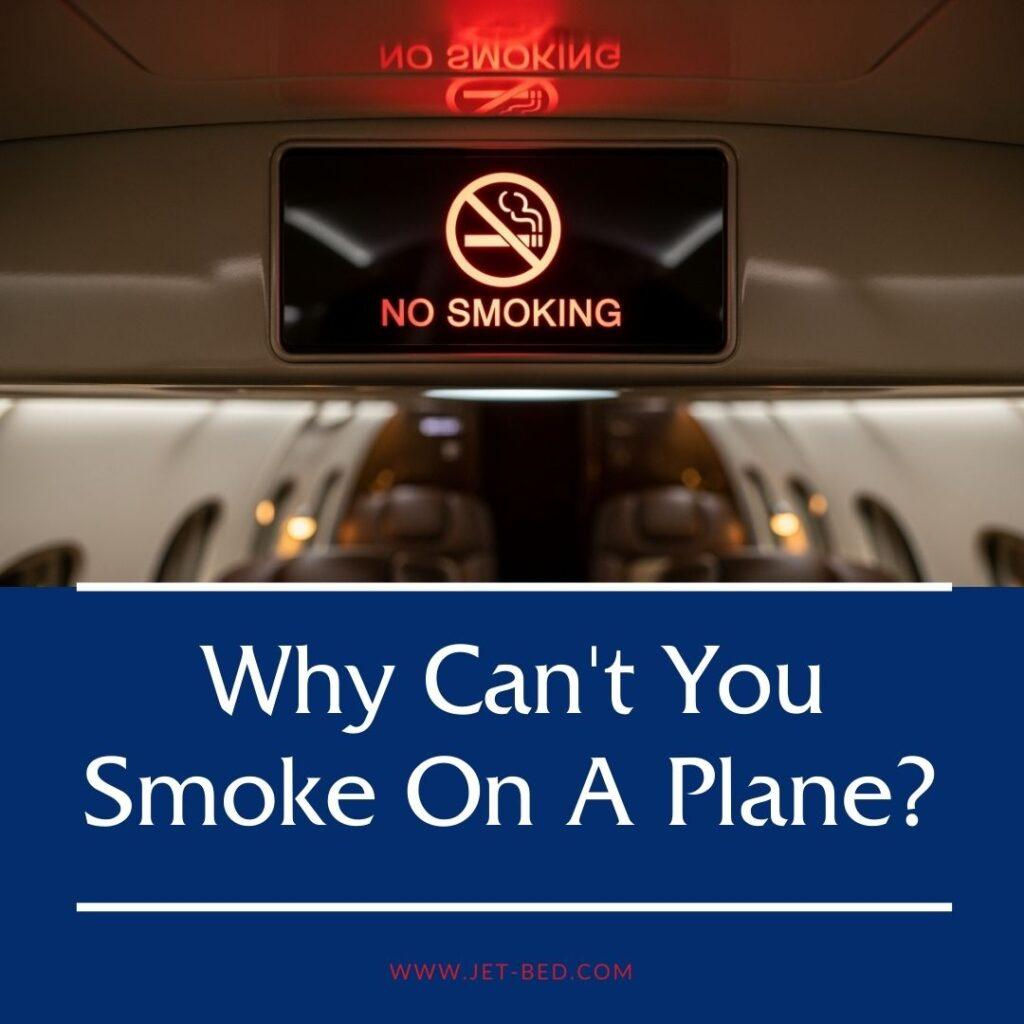
Why Can’t You Smoke on a Plane?
There are several reasons why smoking is prohibited on commercial planes. Some of these reasons include:
Fire Safety Risks
Fire safety concerns are among the primary reasons that passengers are prohibited from smoking on commercial aircraft. Many aircraft contain numerous flammable materials, making any open flame a significant ignition risk.
To be more specific, cabins typically contain complex electrical systems that can easily catch fire and result in emergency landings. The confined space of the aircraft would also lead to rapid escalation, posing a risk for all passengers on board.
Air Quality and Cabin Pressure
Smoking in a commercial aircraft unavoidably affects the cabin air quality and pressure. And air quality and ventilation in commercial planes are quite different from those in private aircraft. The air within a commercial plane continuously circulates through filtration systems. Therefore, if a passenger is smoking on the plane, the cabin will then fill with tobacco smoke.
Smoking adds chemicals and particulates to the aircraft filtration systems, which degrade the air quality for passengers. On long-haul flights, smoke accumulation can affect the comfort and health of both passengers and the flight crew.
Regulations
FAA smoking regulations differ for commercial flights and private jets, but federal oversight still applies. Private aircraft operators are allowed more flexibility with smoking policies. However, smoking has been prohibited in commercial flights since 1990.
Insurance and Liability
Commercial airlines also prohibit smoking on flights due to additional insurance coverage and potential cleaning fees. Insurance companies also impose restrictions on smoking for commercial flights due to increased fire risks and potential damage claims.
Are You Allowed to Smoke on a Private Plane?
Yes, passengers can smoke on private planes. However, it ultimately depends on the policy of the aircraft’s owner and the discretion of the operator. Unlike commercial airlines, private jet smoking policies vary.
Some operators and charter companies maintain strict no-smoking policies, while others permit passengers to smoke during flights.
The owner of the aircraft has full authority over smoking rules. Nonetheless, aircraft owners who do not prohibit smoking typically configure their aircraft for safe tobacco use. In such cases, owner discretion takes precedence over operator policies.
With this in mind, private jet charter companies often handle operations on a case-by-case allowance of smoking regulations, taking into account passenger requests, aircraft configurations, and necessary cleaning precautions.
Comparatively, international private flight smoking laws are a bit complex, mostly for flights crossing continental borders. Different countries have varying regulations for smoking on a private plane, and there is little room for negotiation. Private jet operators will be required to follow all regulations of the countries they operate in, which can include smoking.

How to Smoke on Private Jets
Choose the Right Operator
If you plan to smoke during your private flight, it’s essential to select a smoker-friendly private jet operator experienced in accommodating smoking passengers. Look for companies that openly advertise your ideal policies or highlight cigar and cigarette smoking in private jets. These operators understand the unique safety requirements involved and, therefore, set precautions in place to ensure the safety of all those on the aircraft.
Disclose Your Smoking Preferences Early
Early pre-flight disclosure of tobacco/nicotine allergy or preferences makes it easier to arrange smoking accommodations on private jets. Ensure that you let the operator know your smoking preferences in advance so they are able to accommodate arrangements. Some operators also offer a smoking or non-smoking cabin selection during booking, streamlining communication and ensuring passenger satisfaction. This also makes it much easier to book a customized charter to accommodate smoking.
Consider the Cleaning Requirements
Tobacco smoke requires specialized cleaning procedures to remove odors and residue. These procedures involve vacuuming, shampooing the carpets, deodorizing the cabin, and wiping down all surfaces. In light of this, prepare to pay additional fees for post-flight deep cleaning of the smoking cabin. They typically cost between several hundred and several thousands of dollars, depending on the aircraft size and operator policies.
Select an Appropriate Aircraft
Different types of private jets offer varying levels of smoking accommodations, depending on factors such as cabin size, ventilation systems, and interior configuration. Larger aircraft tend to offer enhanced filtration systems and, in some cases, designated smoking sections. If smoking is a priority, it’s essential to consider these features when selecting your jet. This allows for a comfortable and compliant in-flight experience.
Follow Safety Protocols
When smoking is permitted, follow all safety protocols established by your operator. This includes using designated smoking areas, proper disposal of smoking materials, and compliance with in-flight ashtray requirements. FAA FAR 23.853 ashtray and signage requirements mandate proper disposal receptacles in aircraft where smoking is permitted. Your operator will brief you on specific safety procedures for your aircraft configuration.
Part 135 Charter Considerations
Part 135 charter smoking rules allow operators to establish smoking policies based on aircraft configuration and safety considerations. These regulations provide flexibility for customized charter arrangements while maintaining safety oversight. Operators experienced in Part 135 smoking operations can facilitate compliant smoking flights safely and legally.
Consider Other Passengers
Respect other passengers who may have tobacco allergies or preferences against smoking. Many operators require passenger agreement before permitting smoking on shared charter flights. Remember to disclose your preference early to help operators ensure everyone’s comfort during the flight. Additionally, consider booking the entire aircraft if your smoking preferences might conflict with those of other passengers.
Try Vaping Alternatives
Vaping on private jets presents different considerations than traditional tobacco smoking. Some operators are more open to electronic cigarettes due to reduced fire risks and odor concerns. However, vaping policies also vary among operators. Try to discuss vaping options with your operator when booking your flight.
With proper planning, you can smoke on private jets.
For passengers that want to smoke on a private jet, it’s important to select the right operator and adhere to the rules. Private flights do offer greater flexibility than commercial airlines, however, they are still subject to designated rules and regulations. Passengers should also review operator policies and potential cleaning fees prior to booking a flight. Otherwise, a luxurious experience could quickly result in unexpected inconveniences.
Ultimately, contact your operator and discuss possible accommodations and preferences beforehand. This can help you arrange an aircraft that allows smoking. Most importantly, it will also ensure that your flight meets all of your requirements while simultaneously catering to all safety concerns of smoking on an aircraft.
When you fly on a private jet, you experience an unparalleled level of comfort and exclusivity. Allow JetBed, with our premium, high-quality linens, to make your experience even better. Whether you’re hoping for a rejuvenating sleep or just a place to relax, JetBed enhances every private flight experience.
And, for more travel tips and in-depth information on private aviation, check out our blog, where you’ll find posts like: