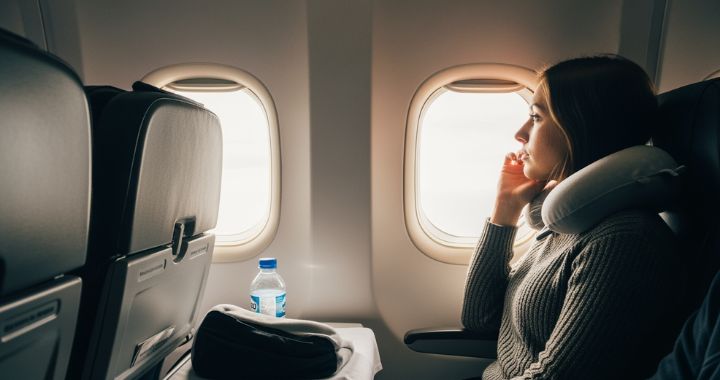
Motion sickness remains one of the few discomforts that can compromise an otherwise seamless journey. For many travelers, the combination of turbulence, cabin pressure, and limited movement on a plane can quickly trigger nausea and dizziness.
Even the most seasoned travelers may find their trip impacted by these symptoms, detracting from the overall comfort of flying. Understanding how to prevent motion sickness is crucial for those seeking a relaxing and enjoyable experience.
When flying privately, every detail is designed to enhance both ease and luxury. Still, motion sickness can interfere. Therefore, today, we will discuss the causes, identify who may be most susceptible, and offer practical strategies to minimize discomfort.
At JetBed, we recognize that in-flight rest is integral to a superior travel experience. Our specially designed aircraft beds transform standard seating into fully flat, supportive surfaces, allowing travelers to sleep, relax, or remain productive without strain. JetBed ensures every journey, short or long, is not only efficient but also comfortable.

How to Avoid Getting Motion Sick on a Plane
This post offers a comprehensive, professional guide on how to avoid getting motion sickness on a plane. You’ll learn about the physiological causes, common symptoms, and most effective preventative measures. For longer flights, particularly overnight travel, consider exploring JetBed’s airplane sleeping hacks. Not only can you combat in-flight nausea, but you can also improve onboard comfort.
Can You Get Motion Sickness on a Plane?
Yes. Motion sickness affects around 1% of passengers. More specifically, according to this study, approximately 0.5% of passengers report vomiting, 8.4% report nausea, and 16.2% report illness. Additionally, some studies indicate even higher rates on turbulent or long-haul flights. Women, children, and people predisposed to car or sea sickness are more likely to experience symptoms.
Even frequent flyers can be affected by turbulence or rapid altitude changes. Understanding your susceptibility is the first step to preventing it.
What Does Motion Sickness Feel Like on a Plane?
Symptoms often begin as a subtle sign of unease, sometimes with warmth, lightheadedness, or mild dizziness. Over a period of time, these sensations can escalate to nausea, sweating, headaches, or even vomiting.
Motion sickness may also lead to fatigue, jet lag, or mental fog, which in turn reduces focus and makes rest difficult. Recognizing these signs early helps passengers implement helpful measures before the situation worsens.
To learn more about getting rest on flights, visit “Why Does Flying Make You Tired?”

What Causes Motion Sickness on a Plane?
Motion sickness stems from a sensory mismatch. The inner ear detects motion, while your eyes and body may perceive stability inside the cabin. This confuses the central nervous system, resulting in nausea and dizziness. Factors that further enhance the condition include:
- Fatigue, dehydration, or heavy meals before flying
- Turbulence or inconsistent aircraft movement
- Poor cabin ventilation
- Reading or screen use during flight
- Anxiety or heightened motion sensitivity

How to Prevent Motion Sickness on a Plane
Focus Your Vision
During mild symptoms, maintain your gaze on a fixed point outside the cabin. As you synchronize what you see with the inner ear’s sense of motion, you’re able to better prevent the sensory mismatch signals we mentioned above.
Additionally, during episodes of motion sickness, it’s advisable to avoid activities such as reading or viewing screens. Focusing on nearby objects while your surrounding environment is shifting can ultimately cause or exacerbate symptoms.
Rest and Recline
Use your JetBed to recline fully during your flight. Proper spinal alignment and minimal head movement reduce sensory mismatch. Even brief periods of rest in a flat, supportive position can prevent discomfort from escalating.
Ultimately, the idea is to rest your head on a flat, harder surface to reduce the amount of perceived movement. This also supports your circadian rhythms. For more tips on sleeping on planes, read: “How to Sleep on Long Flights.”
Minimize Stimulation and Movement
Avoid rapid head movements or sudden activity during turbulence. These movements can heighten the disconnect between your visual and vestibular symptoms, increasing the likelihood of symptoms.
While minor stretching and gentle repositioning is generally harmless, all movements should be slow, controlled, and deliberate. Doing so helps reduce sensory confusion, supporting the body’s ability to stabilize in-flight motion.
Choose Optimal Seating
For optimal stability during flight, sit in the front of the cabin or over the wings. These areas experience less vertical motion, helping stabilize your equilibrium. Additionally, selecting a window seat offers the advantage of visual anchoring.
In contrast, seats near the rear of the aircraft tend to experience more turbulence, which may worsen symptoms. Therefore, it is recommended to avoid sitting in the back of the plane if you are prone to motion sickness.
Regulate Cabin Airflow
Make good use of the air vents above your seat. A steady flow of cool air can help regulate your body temperature and prevent a warm, stuffy feeling mid-flight. Adjust the direction and strength so it’s comfortable without being too harsh. Consistent airflow can make a noticeable difference in how refreshed you feel when you land.
Practice Deep Breathing
Practicing controlled, deep breathing can be an effective way to regulate the nervous systems and motion sickness symptoms. By inhaling through the nose, pausing briefly, and exhaling through the mouth, you engage the body’s relaxation response.
Ultimately, this can counteract the physical effects of nausea and/or dizziness. This technique proves particularly effective during moments of increased movement, such as turbulence or takeoff.
Eat Light
To minimize gastrointestinal discomfort, it is recommended to consume easily digestible foods before and throughout the flight. Avoid heavier, greasier meals, as well as an abundance of alcohol, as these can increase feelings of nausea.
Instead, opt for light, bland snacks such as crackers, pretzels or plain toast. Pairing these with ginger-based options, such as ginger ale or ginger candy, may offer natural relief with minimal side effects.
Enjoy your flights and avoid motion sickness by following the proper preventive measures.
Motion sickness doesn’t need to define your journey. With the tips above, travelers can avoid motion sickness and enjoy every moment of flight. For those seeking the ultimate in inflight comfort, pairing these strategies with a JetBed ensures a restorative, comfortable experience from takeoff to landing.
With careful preparation and attention to detail, even the most turbulence-prone flight can remain comfortable, and effortlessly luxurious.