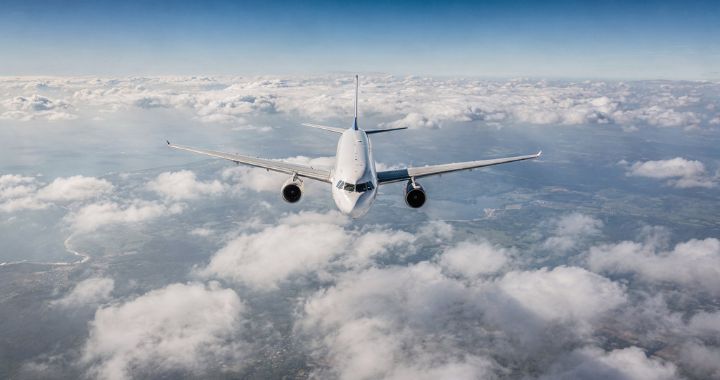
When flying round-trip, many passengers notice a significant difference between eastbound and westbound flights. One leg of the journey feels shorter, smoother, and more efficient, while the other takes longer—even when covering the same distance.
This isn’t a psychological phenomenon; eastbound flights are, in fact, quicker than westbound flights. This is primarily a result of the Coriolis Effect, shaping jet streams, wind systems, and spatial orientation in aviation. In addition to timing variations, flight direction can also impact factors such as jet lag, circadian rhythm, and flight planning for scheduling efficiency.
This guide provides a comprehensive overview of the differences between eastbound and westbound flights. We’ll explore what drives variations in flight time, key factors to consider when planning itineraries, and practical tips for more efficient travel. Understanding these dynamics can help you set clear expectations for flight duration.
In-flight rest plays an instrumental role in the overall experience. That’s why at JetBed, we developed a patented sleep solution that delivers a perfectly flat, uniform space for hotel-quality rest. Crafted in the USA and engineered for uncompromising comfort, don’t sacrifice sleep at 40,000 feet—elevate it.

What Is the Difference Between Eastbound and Westbound Flights?
The physical mileage between two destinations remains the same regardless of direction. However, flight times and passenger experiences often differ significantly. This is a combination of various factors, both environmental and operational, including weather conditions, flight planning, and high altitudes.
While aircraft travel at a consistent speed, the environment they move through is constantly changing. As the Earth rotates from west to east, it influences global wind patterns through what’s known as the Coriolis Effect—a phenomenon that causes air currents to curve rather than move in a straight line.
This effect largely shapes jet streams and wind directions, requiring pilots to adjust flight paths and plan accordingly. Additionally, learning the difference between eastbound and westbound flights helps travelers anticipate these variables and plan for a more seamless journey.
For further context, review our guide, “Private Jet Flight Time Calculator: Your Guide to Accurate Flight Planning.”
Jet Streams and Wind Patterns
Jet streams are fast-flowing, narrow bands of air currents that flow from west to east in the upper atmosphere. Speeds generally average at 110 miles per hour, but can reach over 300 miles per hour depending on season and location. Ultimately, while jet streams significantly influence flight speeds, pilots can account for this by analyzing wind forecasts and monitoring turbulence.
When flying east, aircraft often align with the core of the jet stream, receiving a tailwind that boosts speed, reduces travel time, and improves fuel efficiency. Alternatively, when flying west, flights frequently encounter these same currents as headwinds, which can slow the aircraft and extend travel time.
Learn more about this concept in our guide, “How Fast Do Private Jets Go?”
Time Zones and Perceived Time Differences
Another key distinction affecting flight times is how passengers perceive time during travel. As the Earth spins, aircraft crossing multiple time zones directly affects circadian rhythms. More specifically, eastbound flights typically cross into later time zones, effectively “shortening” the day by losing hours. While this can streamline travel, it can also be taxing on the body.
In contrast, westbound flights cross into earlier time zones, presumably “lengthening” the day and making travel feel longer. This makes it easier to adapt to jet lag symptoms, as the body can delay its internal clock more efficiently than it can advance it. While either direction doesn’t actually alter the distance, it can influence how long a flight feels—and how well passengers adjust.
Prioritizing quality in-flight rest through solutions like JetBed can make a measurable difference throughout this process. Explore more in “How to Sleep on Long Flights: Tips for Restful Travel.”
Why Are Eastbound Flights Usually Faster Than Westbound Flights?
Tailwinds from Jet Streams
Eastbound flights often benefit from tailwinds—strong winds that blow in the same direction that the aircraft is traveling. As this wind pushes the jet from behind, it increases the aircraft’s ground speed without requiring additional fuel. While they may require long takeoff and landing distances, flights traveling east can arrive noticeably earlier than westbound counterparts. In most instances, pilots will adjust flight paths to stay within the core of the jet stream.
Headwinds on Westbound Routes
Westbound flights encounter the same jet streams as eastbound flights. However, these currents function as headwinds—strong east-to-west altitude air currents. As the airflow meets the aircraft from the front, the increased resistance increases fuel consumption, reduces ground speed, and lengthens travel time. In some cases, pilots will take a longer, less efficient route to avoid strong winds that affect passenger comfort and operational constraints.
Learn additional information in our guide, “What Is a Domestic Flight?”
Are Eastbound or Westbound Flights Worse for Jet Lag?
Jet lag occurs when traveling across multiple time zones rapidly, disrupting internal circadian rhythms. Regarding flight direction, eastbound flights are generally more challenging for jet lag, as they force the body to advance its internal clock. For passengers, this disruption requires the body to wake up earlier and go to sleep sooner than it would naturally.
Conversely, westbound travel extends the day, aligning with the body’s natural circadian rhythm. While passengers may wake up and fall asleep later than average, this is much easier for the body to handle. Jet lag can still occur, but it’s often less severe compared to flying east.
Regardless of flight direction, JetBed enhances in-flight rest through a completely flat, hotel-quality bed within minutes. Smaller and lighter than any other sleep solution, JetBed meets the highest standards of quality and durability.

What Factors Airlines Consider When Scheduling Eastbound and Westbound Flights
Air Traffic Control Restrictions
Air Traffic Control (ATC) manages the flow of aircraft along designated flight paths. More specifically, ATC enforces the semi-circular rule, which is an aviation safety regulation that assigns cruising altitudes based on an aircraft’s direction of travel.
Beyond safe separation and airspace management, ATC can require speed changes, altitude deviations, or holding patterns to streamline route optimization.
Airport Slot Times
Busy airports operate on strict scheduling systems with designated takeoff and landing windows assigned to each aircraft. While slot availability is not determined solely by flight direction, differences can influence how easily these schedules are met.
Moreover, if arrival slots are full or the airspace is congested, ATC may assign schedule changes that alter flight direction. Securing optimal airport slots is essential for maintaining efficiency, timing, and overall reliability.
Crew Rest Requirements
Flight crews must adhere to strict rest regulations, as discussed in “Where Do Flight Attendants Sleep?” Additionally, under FAR Part 117, pilots must receive at least 10 consecutive hours of rest before starting a new duty period.
Airlines factor in duty time and flight direction, requiring stricter limitations on rest periods and nighttime operations. While westbound flights are still strictly regulated, they often offer necessary flexibility for both pilots and crew members.
Fuel Costs
Fuel efficiency is directly tied to wind patterns, flight paths, and travel efficiency. When possible, airlines will schedule eastbound flights to take advantage of jet streams and minimize fuel consumption. However, these conditions are not always consistent and may require adjustments to maintain efficiency.
Rising fuel costs, for example, make westbound (high-headwind) routes unprofitable. Additionally, airlines may instruct pilots to reduce flight speeds or limit passengers to reduce overall weight and fuel consumption. Leveraging jet streams remains the top priority for efficiency, safety, and operational costs.
For further information, review “How Far Can Private Planes Fly?” as well as “How Much Does It Cost to Maintain a Private Jet?”
How Weather Systems Affect Flight Times
Beyond jet streams, weather conditions also play a significant role in flight times, delays, and duration. Seasonal changes, storm systems, low visibility, and frozen precipitation can all impact both the timing and the safety of flights, regardless of direction.
For example, winter months often bring stronger jet streams across certain regions. As a result, this can further amplify the difference between eastbound and westbound flight efficiency. Additionally, in some cases, pilots may alter previously planned routes to avoid severe weather when possible. While this may lengthen the journey, it’s ideal for aircraft, crew, and passenger safety.
We discuss this concept thoroughly in our guide, “Can Planes Fly in Thunderstorms?”

Tips for Flying on Eastbound and Westbound Flights
Plan for Jet Lag Differently
When flying, it’s essential to adjust sleep schedules accordingly. For 2–3 nights prior to flying eastbound, move your bedtime up by 1 hour. Upon arrival, avoid long naps and get as much sunlight as possible.
For westbound flights, try to stay up later 2–3 days before travel. Additionally, stay awake during the flight (or take quick, efficient naps) to avoid disrupting your sleep schedule.
Choose Seat and Timing Strategically
Seat selection and departure time both play strategic roles when flying on eastbound and westbound routes. For eastbound flights, many travelers prefer “red-eye” departures because they better align with the body’s circadian rhythm.
For westbound flights, daytime departures are typically more advantageous, allowing travelers to extend wakefulness and adjust more gradually upon arrival. Moreover, ensure to choose the north side of the plane to avoid intense sun glare.
Allow Buffer Time for Scheduling
While pilots and operators take every necessary measure for efficient flight planning, unforeseen variables can still arise. More specifically, weather conditions, high air traffic volume, and operational delays can all impact last-minute schedule deviations.
As a result, it’s essential to build flexibility into your itinerary—especially when connecting flights or planning important commitments shortly after arrival. For additional information and recommendations, review “Why Are Flights Delayed for Private Planes?”
While eastbound and westbound flights may follow the same routes, the factors influencing them create significantly different travel experiences.
It’s not uncommon for passengers to experience noticeable differences in flight duration—especially on round-trips. This is why understanding the nuances of flight direction goes beyond simple geography. Recognizing the multiple factors that impact flight times, passenger experience, and overall efficiency can help you better prepare for future travel.
When traveling, in-flight rest is a defining factor of how passengers perceive the overall experience. And at JetBed, we patented a sleep solution designed to enhance this experience. Custom-fit to your unique aircraft, discover the comfortable way to fly. Discover Jetbed. Visit our website to order your JetBed online, or contact the JetBed team to learn more.