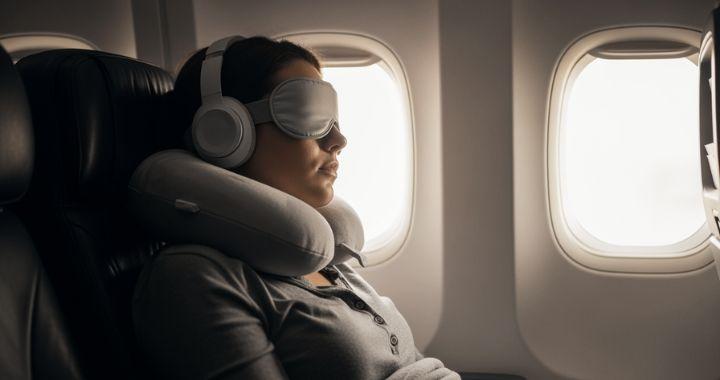
Although long flights can be a convenient travel method, they often come with challenges that make rest hard to achieve. Most passengers assume they have ample time to sleep on a plane, especially given the extensive length of the flight. However, many end up arriving at their destination tired and jet-lagged.
The limited seat space, noisy engines, and cabin surroundings often affect the body’s natural sleeping rhythm. As a result, many passengers lack a relaxing and rejuvenating experience, and instead, leave frustrated. Nonetheless, with the right approach and proper planning, it is possible to achieve high-quality rest while on a long flight.
Today’s comprehensive guide will discuss effective methods for sleeping well on long-haul flights. We will cover essential tips that will allow you to arrive at your destination feeling renewed rather than jet-lagged.
Before discussing tips for getting a more restful sleep on long-haul flights, we must discuss the one thing you may be missing: Jetbeds. Proudly made in the USA with an FAA-compliant design, Jetbed offers an unparalleled level of comfort. With various models designed specifically for different jets, anyone can experience true, rejuvenating rest. Good sleep on a high-quality bed shouldn’t be a luxury—it should be a requirement.
How to Sleep On Long Flights: What to Expect
This post addresses the issue of lack of quality sleep on long-haul flights commonly faced by business executives, frequent fliers, and airline professionals. You will learn about long-haul flights, their intricacies, and what to consider before boarding. We will also give tips and airplane sleeping hacks to help make your sleeping conditions on long flights more comfortable.
Frequent fliers often face irregular schedules and time zone changes, which makes quality sleep essential. The tips discussed below are applicable while traveling commercially, but provide the best results when flying privately. This information allows you to adapt to different aircraft configurations and ensure you maintain an unparalleled level of sleep.
What Is Considered a Long-Haul Flight?
Generally, long-haul flights are considered to be those that last six hours or longer. Such flights typically include transcontinental trips across multiple time zones, extending anywhere from six to twelve hours. This would not include flights that are over twelve hours, as these would be considered ultra-long-haul flights.
Long-haul flights are commonly scheduled as overnight flights, maximizing passenger convenience and comfort. This allows all on the plane to adjust to the time zones of their destination with little-to-no difficulty. However, it’s still important to note that these changes will inevitably affect the circadian rhythm of the majority of passengers.
The extended duration of the flight can pose unique physiological challenges for passengers, such as irregular meal time, disrupted sleep rhythms, and the adjustment to an artificial cabin environment. However, seasoned travelers may already be well accustomed to these difficulties, and more so need help with better, high-quality sleep.
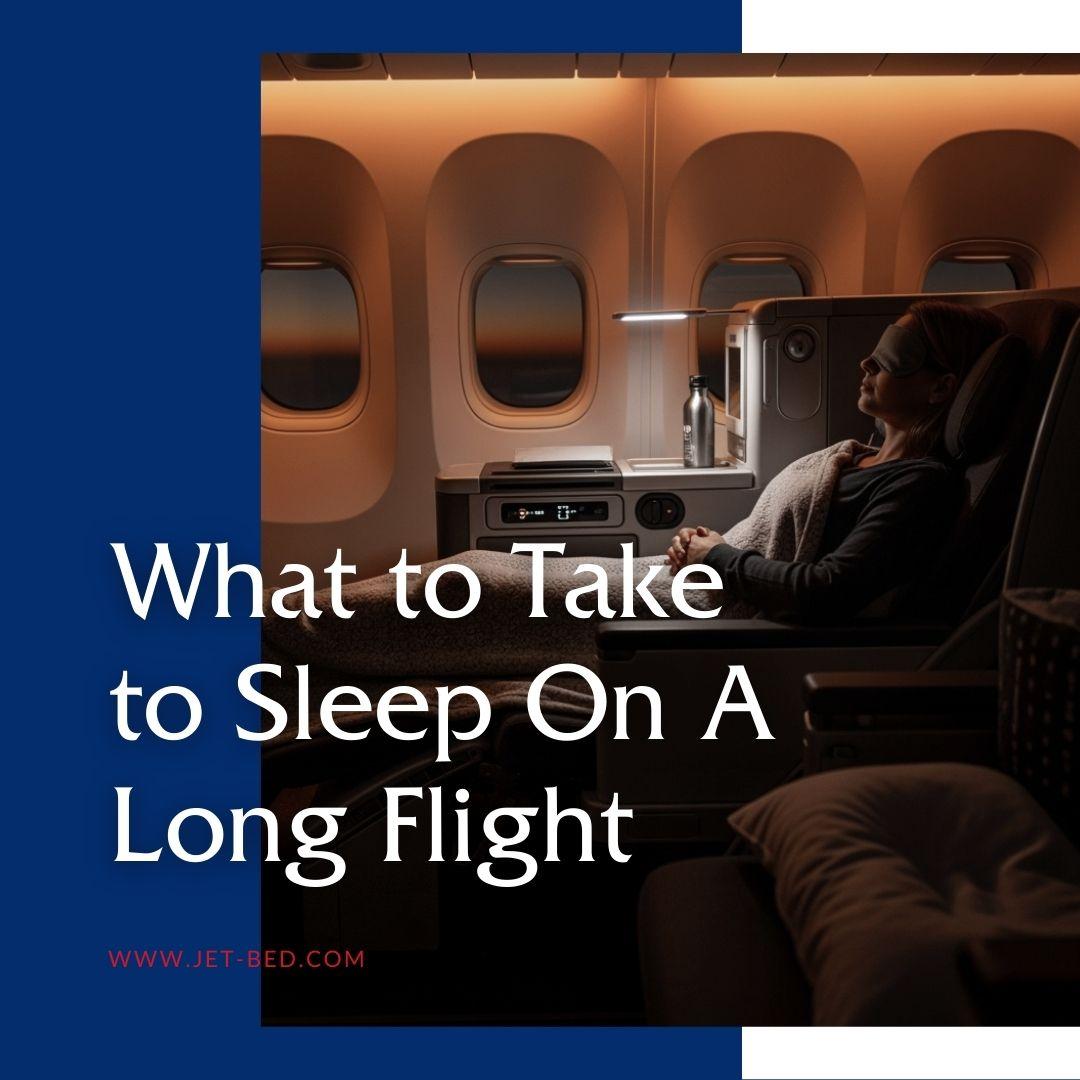
What to Take to Sleep On a Long Flight
Eye Mask and Light-Blocking Accessories
A good eye mask shuts out the ambient cabin light and provides sufficient darkness required for natural melatonin production. Contoured shapes are ideal, as they tend to prevent light leakage and discomfort after extended use. Additionally, quality eye masks should have adjustable straps and breathable fabrics, ensuring high-quality sleep and little risk of overheating.
Ensure your eye mask is in an accessible location in your carry-on bag. Normally, cabin lights are dimmed by flight attendants; however, lights from electronic screens can disrupt your sleeping patterns, too.
Noise-Canceling Headphones
Noise-canceling headphones help to eliminate engine noise and disturbances from other passengers. These devices have an active noise-cancellation technology that quiets the environment for a more relaxing sleep during long-haul flights.
By bringing noise cancelling headphones, passengers can listen to white noise and/or calming music, further enhancing their experience. And, fortunately, most headphones possess excellent battery life and a comfortable design that is suitable for long flights.
Neck Pillow and Support Accessories
A quality neck pillow gives cervical support to reduce neck strain and headaches that typically result from airplane sleeping positions. Modern products are designed to mold to your neck shape and give customized comfort during long-haul flights.
Different preferences can influence the choice of neck pillow you may choose to bring. Inflatable neck pillows will help you conserve space in your luggage; however, foam pillows are more comfortable. Some travelers prefer the U-shaped versions, while others like wrap-around designs, which suit the way they sleep better. Ultimately, choose one that ensures utmost comfort for a long flight.
Sleep Aid Supplements
Sleep aid supplements can help you get quality sleep on long-haul flights. Common sleep aid supplements such as melatonin can help your circadian rhythm adjust to time zone changes. Ensure you check with your healthcare provider before using sleep aids to determine whether they’re right for you.
Melatonin is most effective if scheduled appropriately for your destination’s time zone. This allows your body to start readjusting while in flight instead of upon arrival.
Jetbed
For private jet travelers, Jetbeds transform airplane seats into an actual sleeping space that rivals the comfort of a hotel bed. The custom-fitted design allows you to sleep completely flat, resolving the intrinsic problem of sleeping in upright positions on long flights.
Compared to trying to sleep in regular aircraft seating, this product offers the room and comfort you need for rejuvenating sleep during long flights.

How to Sleep On a Long Flight
Select Your Window Seat Wisely
Window seats provide natural insulation from traffic in the aisle and a surface to lean on while sleeping. The fuselage cushions the head and reduces disturbance from other passengers moving up and down the cabin during night flights.
Reserve window seats in areas far from high-traffic zones like galleys and lavatories. These areas will experience higher foot traffic and ambient noise that tends to disturb sleep patterns during long-haul flights.
Adjust to the Time Zone Before Leaving
Start adjusting your sleeping pattern a few days before traveling to reduce the effects of jet lag. Change your sleeping and waking times progressively to your destination schedule. This allows your body to acclimate before the actual time zone adjustment, leading you to fall asleep at regular hours despite the change in time.
Pay attention to your destination time zone instead of your departure zone when scheduling in-flight sleeping times. This psychological shift helps you get into the correct sleep timing for the new place.
Develop a Consistent Pre-Sleep Routine
Develop routines that signal sleep to your brain, even in the unfamiliar airplane environment. This may mean changing into comfortable clothing, practicing relaxation techniques, or following your usual bedtime hygiene routine adapted for air travel.
Consistency in pre-sleep habits stimulates the natural sleep responses despite the setting. Additionally, flight attendants usually respect rest times, offering less service so passengers experience less frequent disturbances.
Control Your Sleeping Environment
Control what is within your power in the airplane cabin to facilitate ideal sleeping conditions. Utilize your eye mask and noise-reducing headphones at all times, keep yourself comfortable with temperature using clothing layers, and sit where you will not be disturbed by other travelers.
Try to sleep with your legs elevated for better circulation and less swelling. Wherever possible, the advantages of sleeping with your legs elevated include better blood flow and less fatigue upon waking. For more on this, visit our post, “What Are the Benefits of Sleeping With Your Legs Elevated?”
Time Your Sleep Cycles Properly
Plan your sleep based on the time zone of your destination rather than your departure location. This way, your new schedule better aligns with the schedule you will be following at your destination. This reduces the impact of jet lag and allows you to acclimate more quickly to the new time zone.
Try to avoid oversleeping on flights when it conflicts with your destination’s local time. Strategized rest periods work better than attempting a full night’s sleep when the timing is not compatible with the schedule at your final destination. To help with this, consider changing your watch to the time of your destination. This allows you to adjust more quickly, even before arriving.
Successful long flight sleeping requires planning, the proper equipment, and timing.
By utilizing these tips, you can maximize your sleep on long haul flights so you arrive refreshed and rejuvenated. Whether you’re flying commercial or private, these techniques convert long-haul flights into a refreshing experience.
For an incomparably luxurious experience, consider taking a private jet with Jetbed. Rather than sleeping in cramped positions and tuning out cabin noise, you can lay back and relax on a surface that was made to support quality rest.
If you have any questions about more airplane sleeping solutions or need insider tips about the aviation industry, don’t hesitate to visit our blog. You can find posts like: